
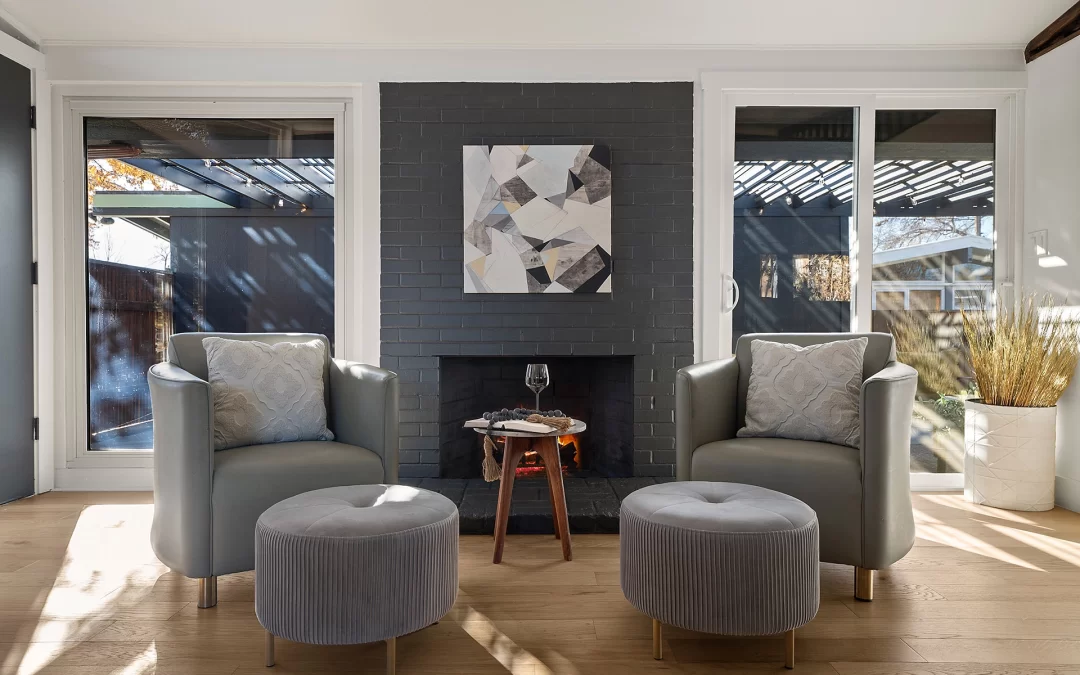
When clients schedule a real estate photography session, one of the first questions I usually hear is:
“What’s the best time of day to photograph the house?”
It’s a smart question, and honestly, there isn’t a one-size-fits-all answer.
After photographing homes throughout Denver, Castle Rock, Colorado Springs, and surrounding Colorado communities, I’ve learned that lighting matters, but maybe not in the way most people think it does.
A lot of homeowners assume listing photos absolutely must be taken during golden hour or perfect sunset lighting. While beautiful light can absolutely enhance a property, modern HDR real estate photography has changed the equation dramatically.
Today, great real estate photography is less about chasing one magical moment of sunlight and more about understanding how light interacts with a home throughout the day.
The direction the home faces, the size of windows, the surrounding landscape, weather conditions, interior finishes, and even the purpose of the property all play a role.
The good news? With professional HDR photography techniques and thoughtful planning, homes can photograph beautifully at almost any time of day.
Why Clients Ask About the Best Time of Day
Most homeowners are naturally concerned about how their home will appear online.
Since listing photos are often the first impression buyers see, clients want to make sure every image looks bright, inviting, and emotionally appealing.
Many people worry about:
- Harsh sunlight
- Dark interiors
- Window glare
- Shadowy rooms
- Weather conditions
- Dull skies
These concerns are understandable because lighting can absolutely influence the mood of a photo.
But one of the biggest misconceptions about real estate photography is that beautiful images only happen during perfect weather or sunset lighting.
In reality, experienced real estate photographers know how to work with a wide variety of lighting conditions to create polished, natural-looking images that attract buyers.
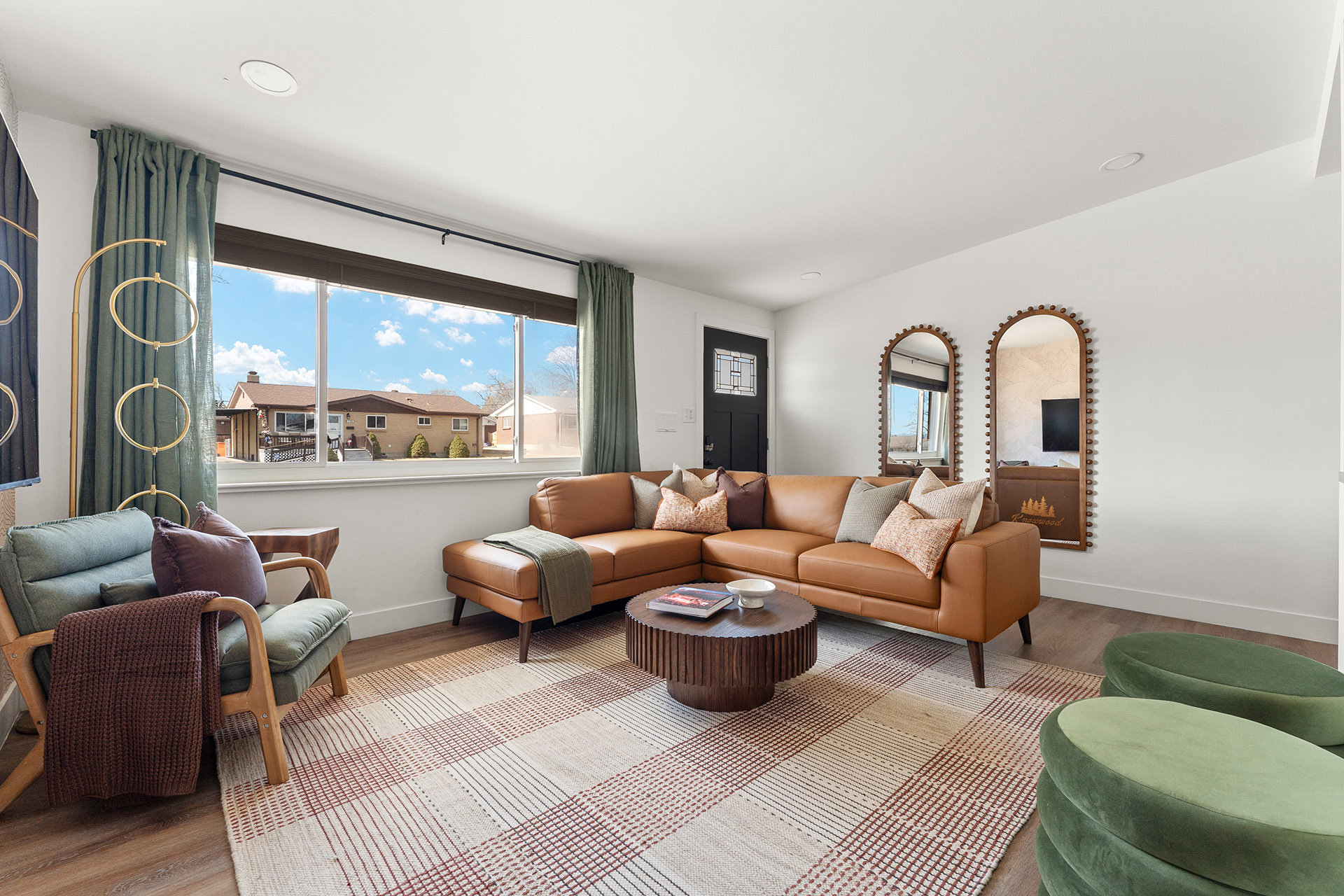
Here’s a shot taken with just midday sun, no interior lights on:
Does Time of Day Actually Matter?
Yes — but probably not as much as you think.
The time of day primarily affects:
- The direction of sunlight
- Brightness levels
- Window glow
- Exterior shadows
- Mood and atmosphere
For example:
- East-facing homes often look best earlier in the day
- West-facing homes may shine in the afternoon
- Mountain-facing views may benefit from softer evening light
- Large south-facing windows can create strong midday brightness
However, modern HDR real estate photography allows photographers to balance highlights and shadows in ways that weren’t possible years ago.
That means even if a room has bright sunlight pouring through windows, professional exposure blending and editing can preserve detail while still keeping the image natural.
I often explain it this way to clients:
The “best” time of day isn’t about finding perfect light. It’s about finding the most flattering light for that particular home.
Sunny vs Cloudy Days
One of the biggest surprises for many homeowners is learning that cloudy weather can actually be fantastic for real estate photography.
Sunny days create energy and vibrancy, but they can also introduce:
- Strong shadows
- Bright hotspots
- Window glare
- Uneven exterior lighting
Overcast weather acts like a giant natural softbox. Cloudy skies often produce:
- Softer shadows
- More even lighting
- Cleaner exterior colors
- Balanced window exposures
- Better detail retention
In Colorado, partly cloudy days are often ideal for real estate photography. You get natural brightness without harsh contrast, and the light tends to be a lot more forgiving.
I’ve shot homes in Denver and Castle Rock on overcast days that came out clean, bright, and inviting. Sometimes the clouds even add a little depth and texture to the scene. If the sky ends up flat or lifeless, I swap it out in editing.
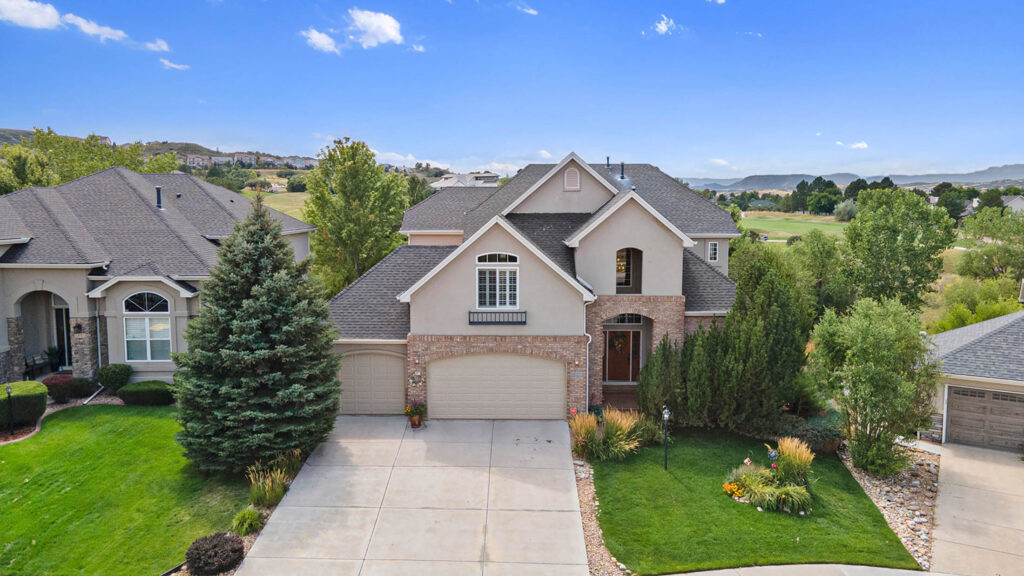
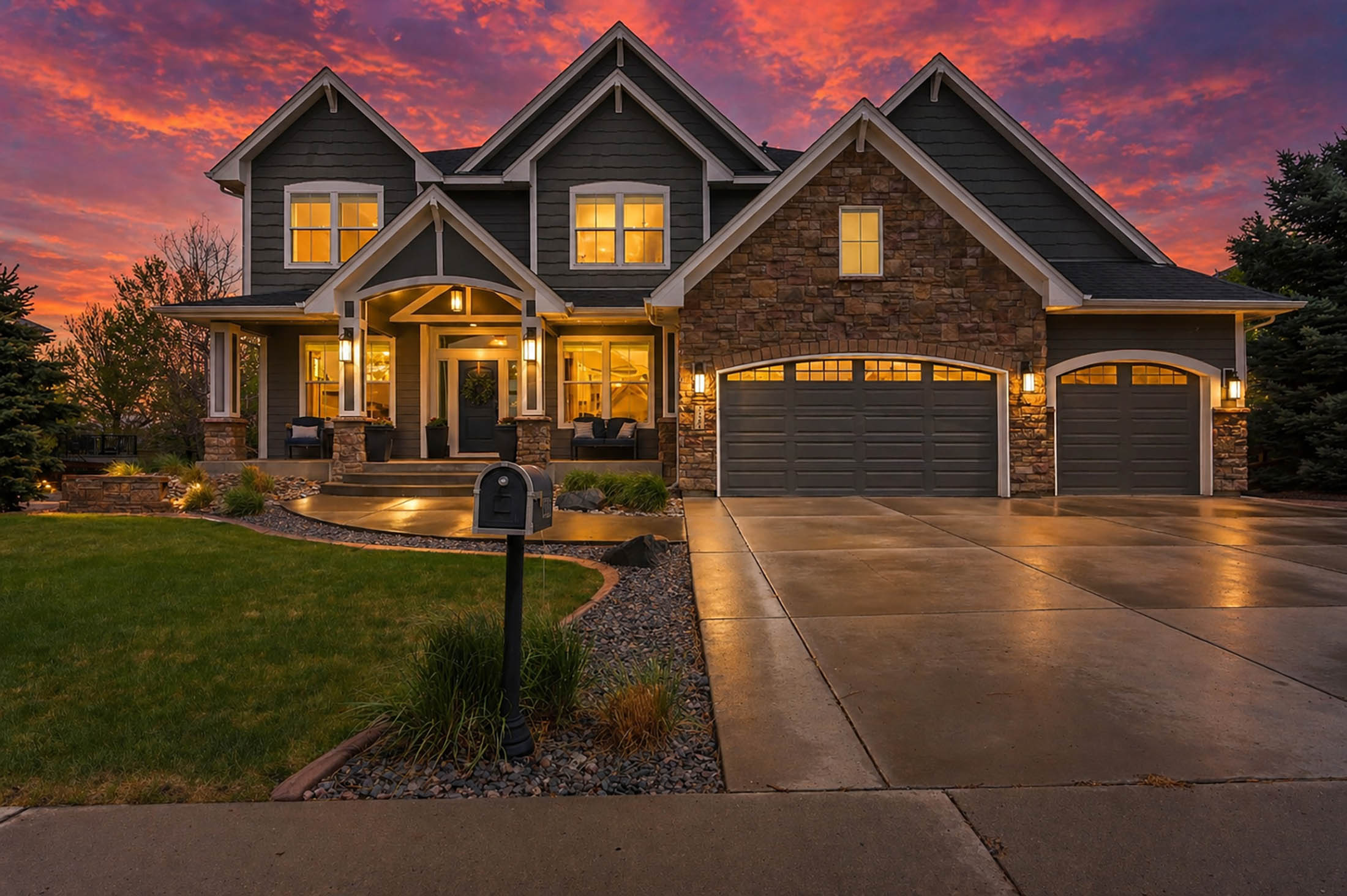
Perfect sunshine is not mandatory for exceptional listing photography. The below image was taken during an overcast day right after it rained:
How HDR Photography Changes the Equation
This is where professional real estate photography really separates itself from casual photography. HDR stands for High Dynamic Range photography. Without getting overly technical, HDR photography combines multiple exposures to balance:
- Bright windows
- Dark corners
- Interior lighting
- Exterior brightness
- Natural contrast
This allows homes to appear:
- Bright
- Natural
- Clean
- Balanced
- Inviting
The goal is never to make a home look fake or overprocessed. The goal is to create images that feel realistic while still emotionally engaging.
Because of HDR photography, homes can often be photographed successfully even in challenging lighting situations. That’s why I tell clients not to stress too much about chasing one tiny window of perfect sunlight.
A well-photographed home is about understanding light, not fearing it.
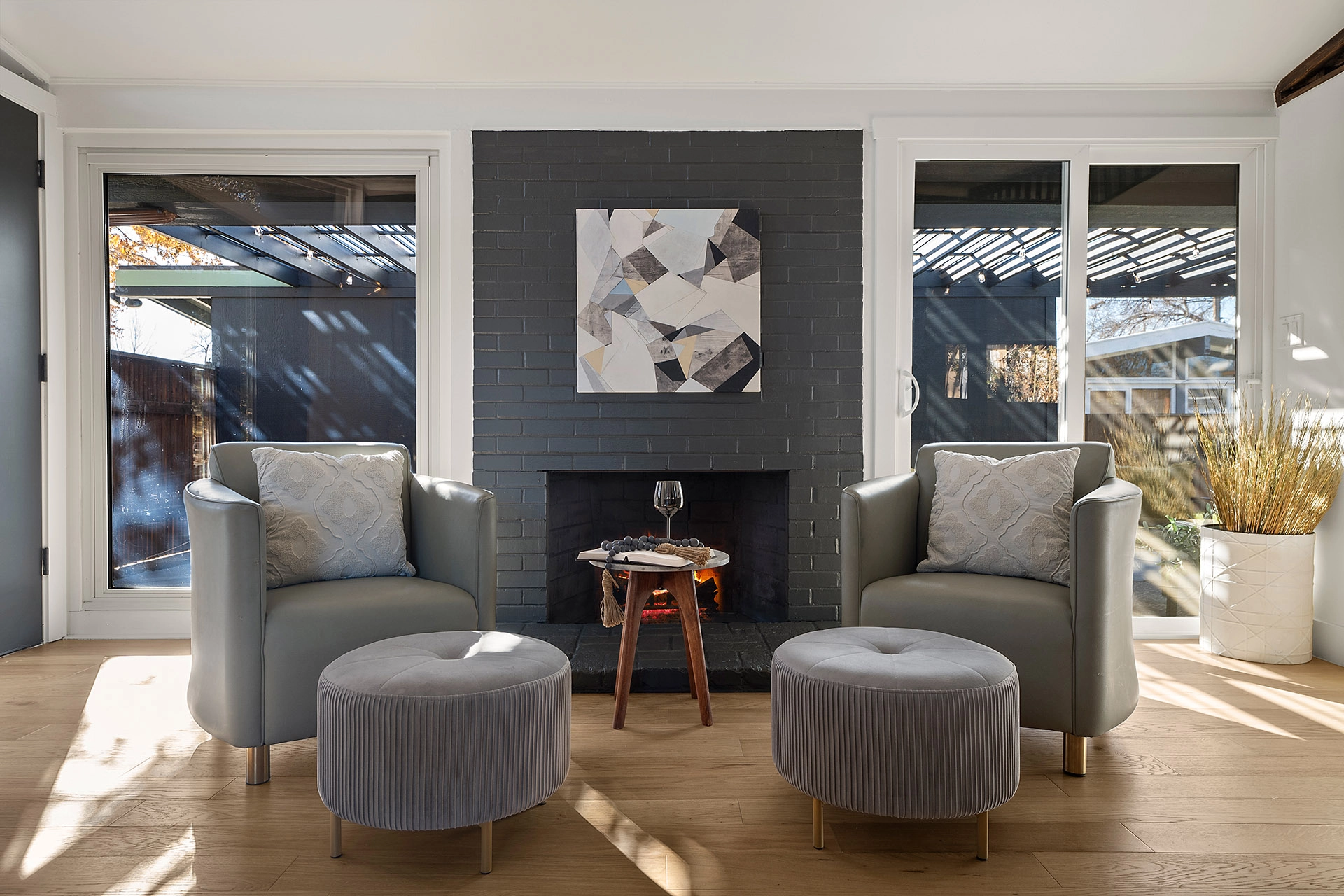
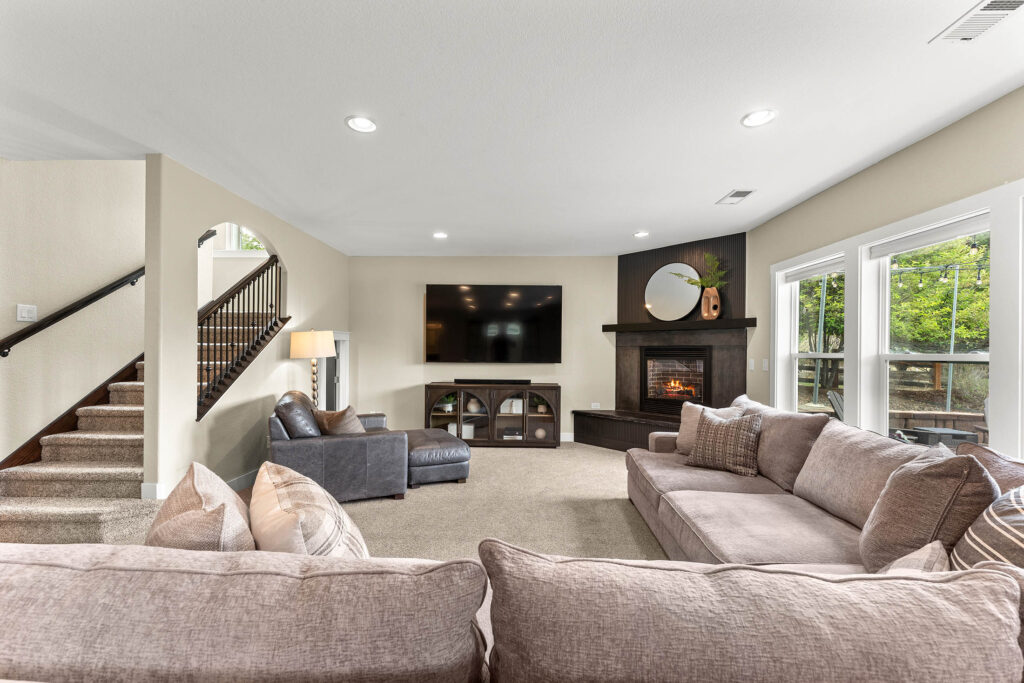
This image was taken during an overcast midday sun:
When True Twilight Photography Makes Sense
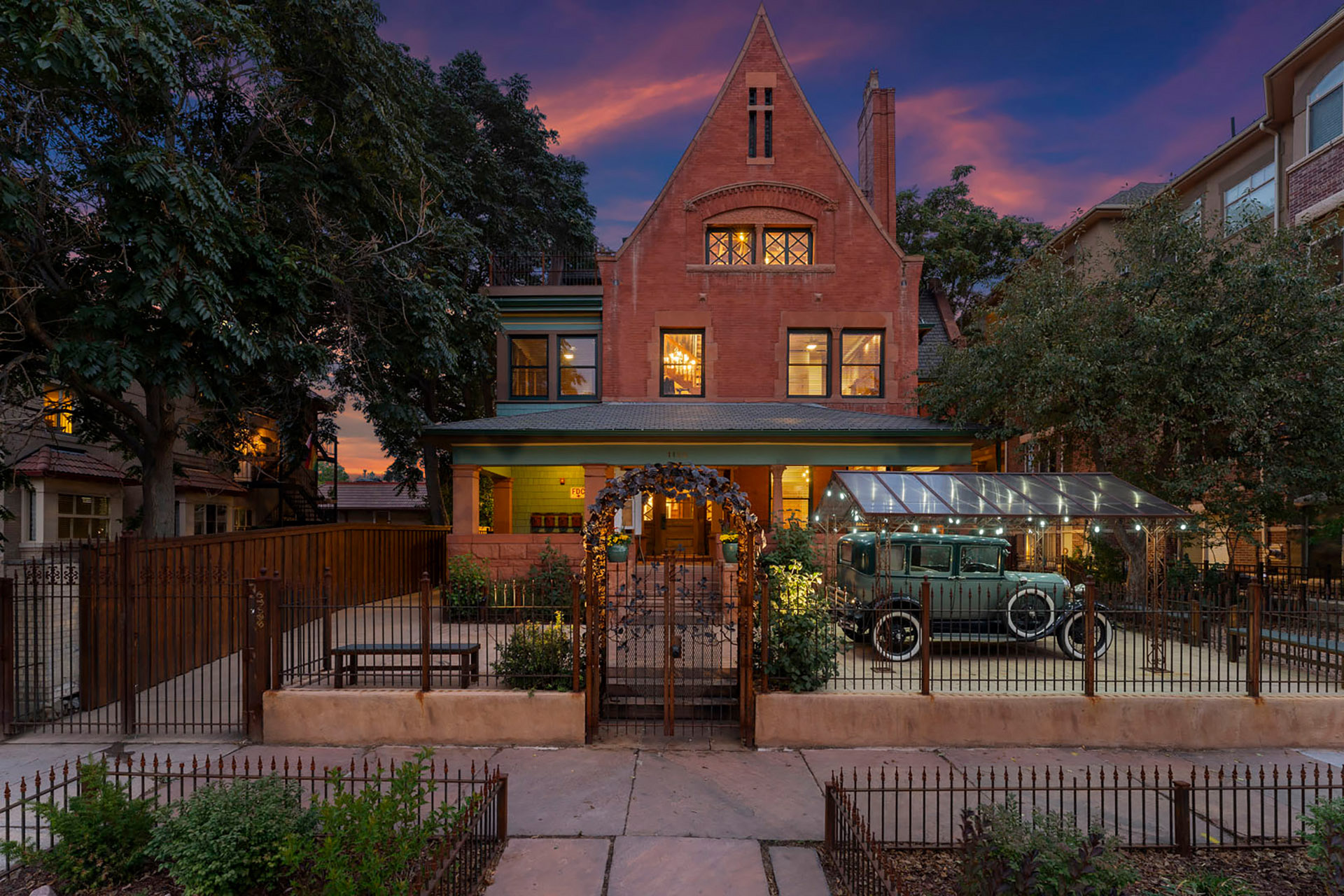
True twilight photography (vs Virtual Twilights) is beautiful, but it’s also highly intentional and requires more planning.
(Curious about the difference between true and virtual twilights? Read more here.)
True twilight sessions work especially well for:
- Luxury homes
- Homes with outdoor lighting
- Pool properties
- Mountain-view homes
- Unique architecture
- High-end listings
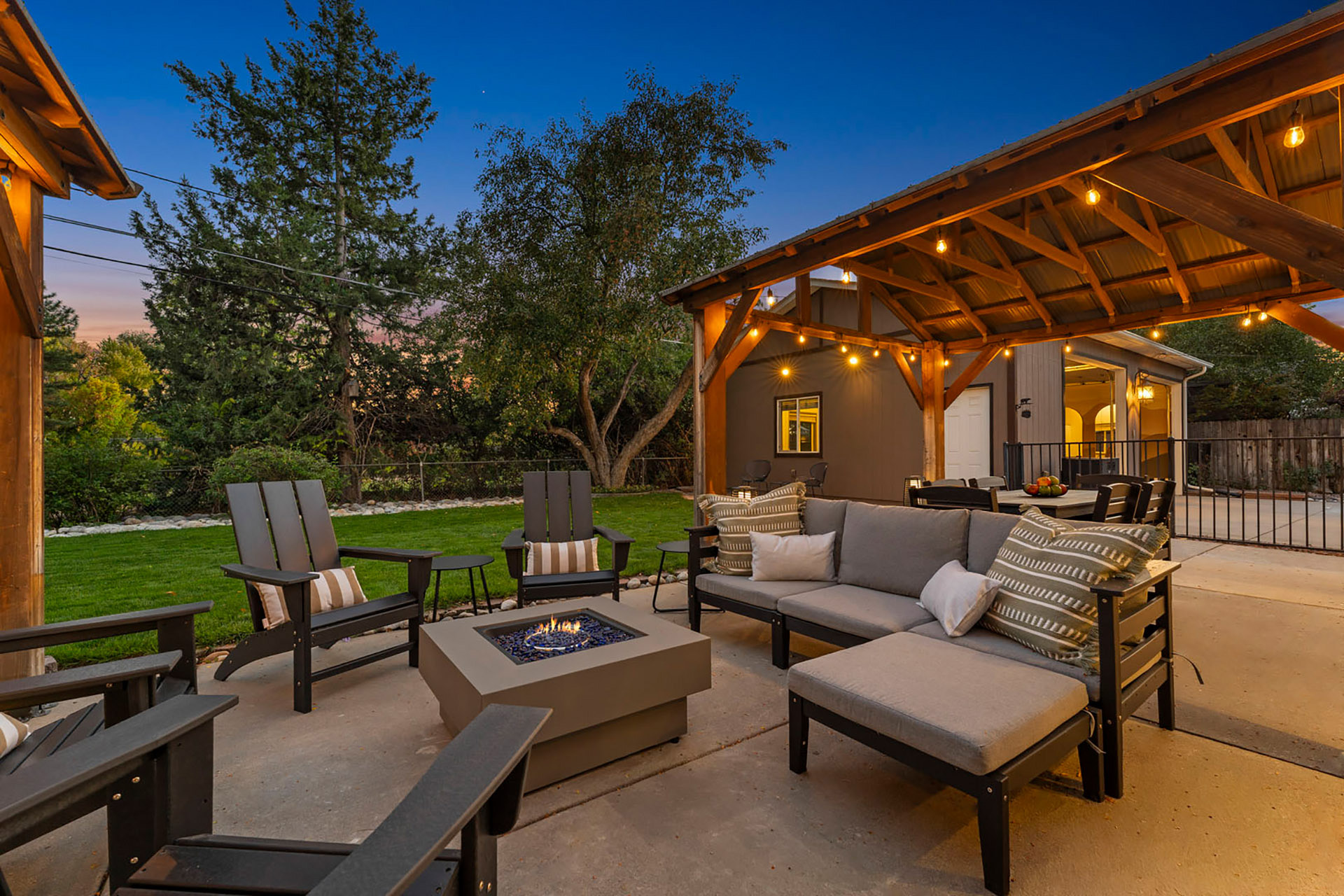
Twilight images create mood, warmth, and emotional appeal.
The glow from interior lighting combined with deep blue skies can make a property feel upscale and cinematic.
But twilight photography is not mandatory for every listing. In fact, many homes photograph perfectly during daytime sessions using HDR techniques. And if you don’t have the time or budget, virtual twilights have come a long way and can be added to your order at anytime without requiring an extra trip to the property.
I recommend true twilight photography when the home itself benefits from atmosphere and dramatic presentation, not simply because twilight photos are trendy.
Airbnb Photography Considerations
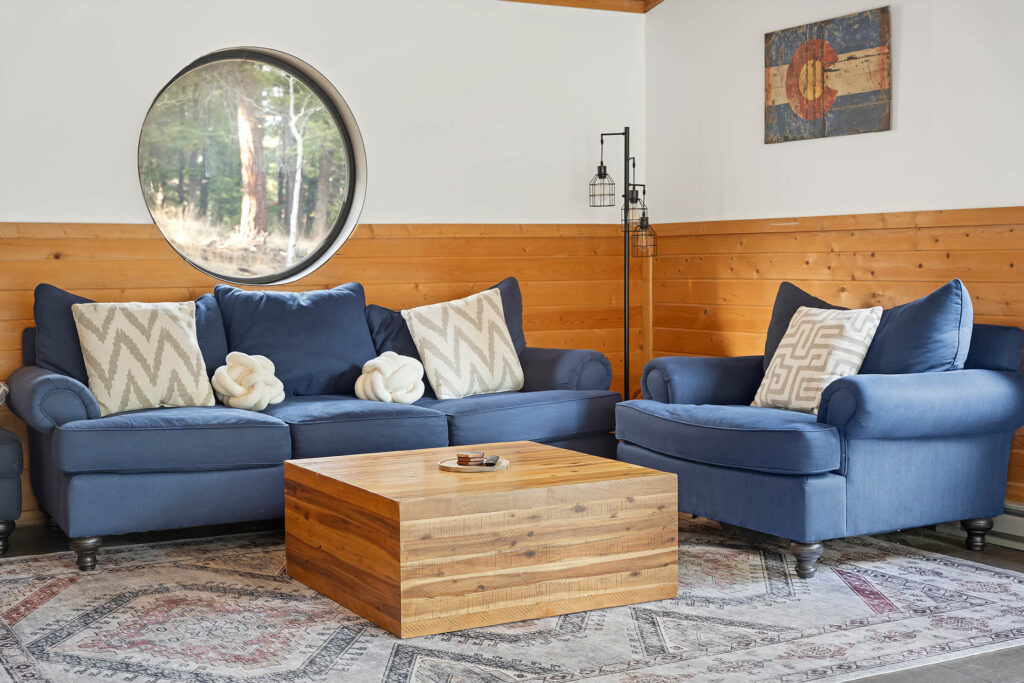
Airbnb and short-term rental photography often benefit from a slightly different mindset than traditional listing photography.
With Airbnb photography, the goal is usually to create:
- Comfort
- Emotion
- Lifestyle appeal
- Relaxation
- Experience
Natural light becomes incredibly important because guests imagine themselves living in the space.
Morning coffee lighting on a patio.
Soft bedroom window glow.
Warm ambient evening lighting.
These details help people emotionally connect with a property.
For Colorado Airbnb listings, timing sessions around outdoor amenities, mountain views, or seasonal scenery can make a major difference.
Final Recommendations
If you’re trying to determine the best time of day for real estate photography, here’s the most important thing to remember:
There is no universal “perfect” time.
The best timing depends on:
- The home’s orientation
- Window placement
- Weather conditions
- Interior finishes
- Outdoor features
- Desired mood
- The style of photography being used
With professional HDR real estate photography, homes can look exceptional in a wide variety of lighting conditions.
Sometimes morning light creates the perfect atmosphere.
Sometimes afternoon warmth works better.
Sometimes overcast weather produces the cleanest results.
And sometimes twilight creates unforgettable emotional impact.
What matters most is working with a photographer who understands how to shape light intentionally and photograph homes in a way that attracts buyers emotionally.
That’s always the goal.
Key Takeaways
- The best time of day depends on the home itself
- HDR photography allows flexibility in lighting conditions
- Morning and afternoon lighting create different moods
- Cloudy weather can produce excellent listing photos
- Twilight photography is stylistic, not mandatory
- Natural light strongly affects emotional appeal
- Preparation matters just as much as timing
- Professional photography helps listings stand out online
Conclusion
Real estate photography is about more than documenting rooms.
It’s about creating an emotional first impression that makes buyers stop scrolling and start imagining themselves living there.
Lighting absolutely influences that experience, but great photography is ultimately about understanding how to use light effectively — not waiting for perfection.
Whether you’re selling a luxury home in Denver, listing a property in Castle Rock, marketing an Airbnb in Colorado Springs, or preparing a starter home anywhere across Colorado, professional photography can dramatically influence how buyers perceive your property online.
At Panorama Home Photography, I focus on creating bright, natural-looking images that showcase homes beautifully while helping listings stand out in a competitive market.
If you’re preparing for an upcoming listing or short-term rental shoot, I always recommend booking online through the website so we can efficiently schedule the session around the property’s ideal lighting conditions and marketing goals.